Why Birds Nest Inside Dryer Vents and Exhaust Pipes
People seeking bird removal often want to prevent nests inside dryer vents and exhaust pipes, and local service providers can safely remove birds and block future nesting.
Many property owners in the area notice birds nesting inside dryer vents and exhaust pipes during certain times of the year. These structures provide a sheltered, warm space that offers safety from predators and harsh weather conditions. Understanding why birds choose these locations can help homeowners recognize potential issues early and take appropriate steps to address them. Since nests can cause blockages and increase the risk of fire or exhaust problems, it’s important to explore practical solutions. Local service providers who specialize in bird removal can assist in safely managing these situations, ensuring that nests are removed without harm to the birds and that vents are properly cleaned and maintained.
Exploring why birds nest inside dryer vents and exhaust pipes is especially relevant for property owners concerned about appliance efficiency and safety. Birds often seek out these dark, enclosed spaces because they resemble natural nesting sites like tree cavities or sheltered ledges. While these nests serve the birds’ needs, they can create significant inconveniences for homeowners, including clogged vents and potential fire hazards. Fortunately, local contractors experienced in bird removal and vent maintenance can help prevent future nesting and keep exhaust systems clear. Keep reading to learn more about how these services can help maintain a safe and functional home environment.
- Common Projects - Homeowners may need bird removal services when they discover nests inside dryer vents or exhaust pipes, and local contractors can safely remove the birds and nests.
- Bird removal services are often needed if birds are nesting inside dryer vents or exhaust pipes, and local service providers can implement humane removal methods.
- People searching for why birds nest inside dryer vents and exhaust pipes may require bird removal to prevent blockages, with local pros providing professional cleanup and prevention solutions.
- When birds build nests inside dryer vents or exhaust pipes, local contractors can help by removing the nests and installing deterrents to prevent future nesting.
- Individuals concerned about nesting birds inside dryer vents or exhaust pipes can contact local pros for safe removal and advice on how to discourage future nesting.
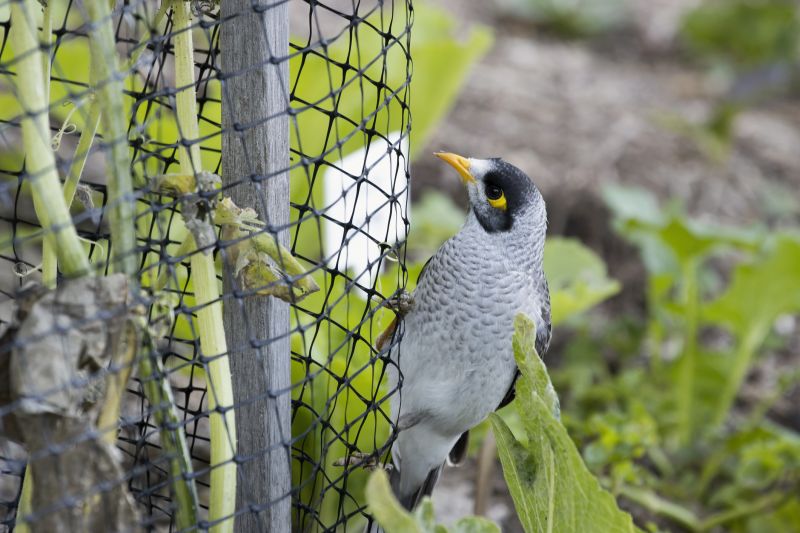
People searching for why birds nest inside dryer vents and exhaust pipes are often concerned about potential problems that can arise in their homes or properties. This topic is typically linked to issues of property maintenance, pest control, and safety. Homeowners may notice blockages, strange noises, or even bird droppings near their outdoor vents, prompting questions about how birds access these spaces and what risks they pose. Understanding the reasons behind bird nesting behaviors in these areas helps homeowners identify when professional bird removal services might be needed to prevent further complications, such as reduced ventilation, fire hazards, or damage to the vent system.
This subject is especially relevant to property owners who are actively maintaining or inspecting their homes’ ventilation systems. Problems related to bird nests in dryer vents and exhaust pipes can lead to decreased efficiency of appliances, increased energy bills, or even dangerous fire risks caused by accumulated lint and nesting materials. Many plans involve removing or preventing nests to ensure proper airflow and safety. Homeowners may also be considering installing vent guards or screens to deter future nesting, which can be effectively handled by experienced service providers. Recognizing the signs of nesting activity and understanding the importance of timely removal are key steps in managing these situations.
The types of properties most often affected by bird nesting inside dryer vents and exhaust pipes include single-family homes, apartment complexes, and multi-unit buildings. These structures typically have outdoor vents that are easily accessible to birds seeking nesting sites. Rural properties with nearby trees or open fields may see more frequent nesting activity due to the abundance of natural cover and nesting materials. Urban environments with limited green space can also experience this issue, especially if buildings lack protective vent covers. For property owners dealing with these situations, professional bird removal services can help safely and effectively eliminate nests and implement preventative measures to reduce future nesting.
Understanding why birds nest inside dryer vents and exhaust pipes connects directly to the need for ongoing property maintenance and pest management. Birds are instinctively drawn to sheltered, warm spaces that provide safety from predators and harsh weather. Dryer vents and exhaust pipes offer such environments, especially when they are quiet and out of direct sight. Local service providers specializing in bird removal are equipped to handle these problems by removing existing nests and installing barriers to prevent re-nesting. This approach not only addresses the immediate concern but also helps protect the property’s safety and efficiency in the long term, ensuring that homeowners can maintain their systems and reduce the risk of damage or fire hazards caused by nesting birds.
Chimney and vent cleaning services involve inspecting and clearing out blockages, similar to removing bird nests from dryer vents and exhaust pipes to ensure proper airflow and safety.
Wildlife removal and exclusion projects focus on safely relocating animals like birds and preventing future nesting, which aligns with bird removal from vents and pipes.
Home inspection services include identifying potential entry points and nesting sites for animals, helping homeowners understand why birds may choose dryer vents and exhaust pipes.
Exhaust system repair and maintenance require skills in accessing and fixing ductwork, a common need when removing bird nests and preventing blockages in ventilation systems.
Pest and animal control services involve humane removal of animals from structures, similar to extracting birds from dryer vents and exhaust pipes to prevent damage and hazards.
Ductwork installation and repair involve working with ventilation pathways, which can include addressing nesting issues and ensuring proper airflow in exhaust systems.
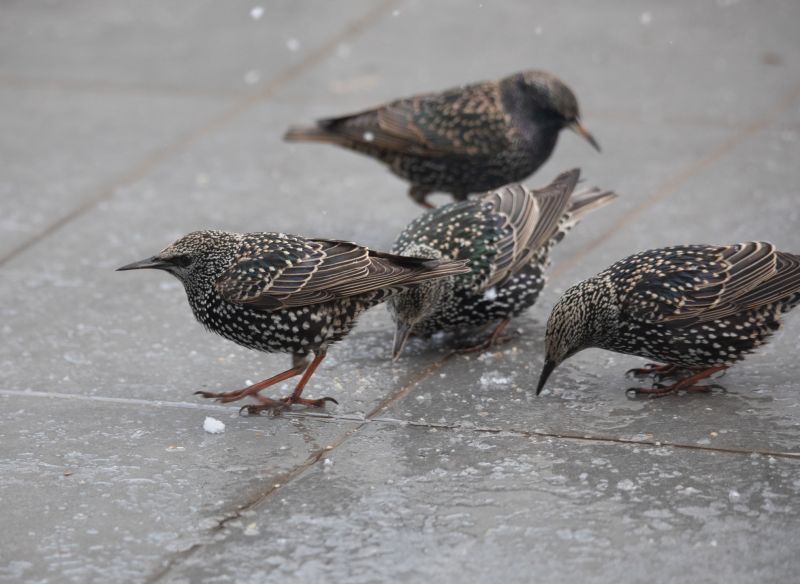
When comparing service providers for bird removal and vent cleaning, it’s important to consider their experience with similar projects. Homeowners should inquire about how long a contractor has been handling bird-related issues inside dryer vents and exhaust pipes, as well as their familiarity with the specific challenges involved. An experienced local contractor will understand the common reasons why birds nest inside these areas and will have established methods for safely removing nests and preventing future occurrences. This background can help ensure that the work is performed efficiently and effectively, reducing the likelihood of recurring problems.
Clear written expectations are essential when evaluating potential service providers. Homeowners should seek detailed descriptions of the scope of work, including how the bird nests will be removed, what cleaning procedures will be followed, and any measures taken to prevent future nesting. Having this information in writing helps avoid misunderstandings and provides a basis for assessing whether the contractor’s approach aligns with the homeowner’s needs. Additionally, understanding what is included in the service can help ensure that all aspects of bird removal and vent cleaning are addressed comprehensively.
Reputable references and good communication are key factors in choosing a reliable local contractor. Homeowners are encouraged to ask for references from previous clients who had similar bird-related issues, as this can provide insight into the quality of work and customer satisfaction. A service provider who communicates clearly and promptly is more likely to keep homeowners informed throughout the process and respond to any questions or concerns. Ultimately, selecting a local contractor with a proven track record, transparent communication, and positive references can help ensure that bird removal services are performed properly and that the vent system is restored to safe, functional condition.
Property owners often search for why birds nest inside dryer vents and exhaust pipes when they are planning practical projects around their homes and businesses. Local pros provide Bird Removal services for everyday jobs and straightforward project options.
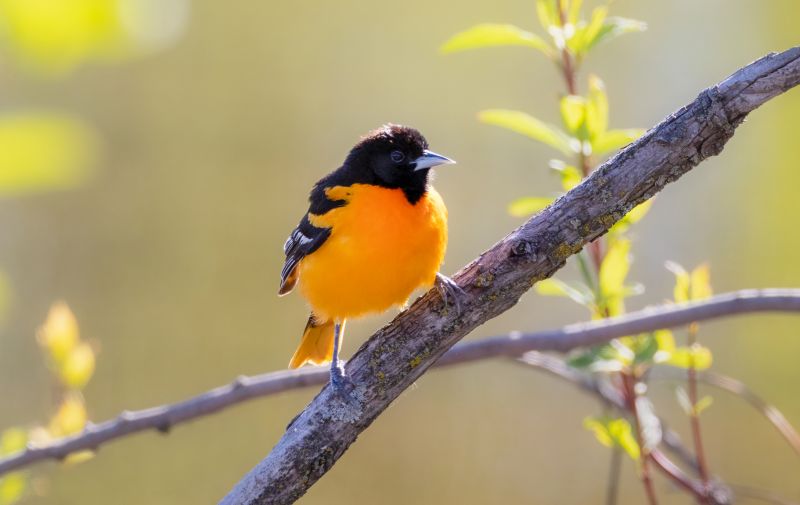
Birds often seek out dryer vents and exhaust pipes as nesting sites because these structures provide sheltered, quiet spaces that feel safe from predators and harsh weather. The warmth and dark environment inside these vents can be particularly attractive, especially during nesting season. Property owners in the area might notice bird activity around these openings or even find nests forming inside, which can lead to blockages and potential damage to the ventilation system. In such cases, local contractors specializing in bird removal can help safely remove the nests and prevent future nesting, ensuring the vents remain clear and functional.
Understanding why birds nest inside dryer vents and exhaust pipes can help property owners recognize the importance of professional removal services. Birds are naturally drawn to enclosed spaces that offer protection, making vents an appealing choice for nesting sites. When nests are left inside these systems, they can cause blockages, reduce airflow, and create fire hazards. Connecting with local service providers experienced in bird removal can ensure nests are safely taken out and that preventative measures are in place to discourage future nesting, protecting both the property and the local bird population.
Why do birds nest inside dryer vents and exhaust pipes? Birds often see dryer vents and exhaust pipes as safe, sheltered spots for nesting due to their enclosed structure and protection from predators and weather.
How can birds nesting inside vents affect my home? Bird nests can block airflow, cause damage to vent components, and increase the risk of fire or mold growth, making professional removal important.
What signs indicate birds have nested inside my dryer vent or exhaust pipe? Common signs include reduced airflow, strange noises during operation, or visible nests or debris around the vent opening.
Why should a professional handle bird removal from vents and pipes? Experts can safely remove nests and birds, prevent damage, and ensure vents are clear and functioning properly without risking injury or further issues.
What steps do local contractors take to remove bird nests from vents? They typically inspect the vent, carefully remove nests and birds, clean the area, and may install deterrents to prevent future nesting.
Understanding bird nesting habits - property owners can learn about why birds nest inside dryer vents and exhaust pipes to identify potential entry points and prevent future nesting attempts with the help of local contractors.
Installing vent covers or screens - property owners might consider using bird-proof vent covers, which local service providers can install to block access and reduce nesting opportunities.
Performing regular vent inspections - scheduling routine inspections with local pros can help detect early signs of bird nesting and ensure vents are clear and safe.
Removing existing nests safely - property owners can rely on local contractors to carefully remove bird nests from vents and pipes, minimizing damage and ensuring proper cleanup.
If you are thinking about why birds nest inside dryer vents and exhaust pipes for a property, this guide is meant to help you understand this topic, the typical project types, and how different options might fit your plans.
When you are ready, you can use the quote form on this page to share a few details about your project. From there, local pros can review the basics and follow up with options that match what you have in mind.